Screening & Mixing Systems
Screening & Mixing Systems for
Peanut Butter Processing
Where Screening and Mixing Fit in a Peanut Butter Line
A peanut butter line runs through six stages: cleaning and sorting, roasting, blanching, grinding, mixing, and filling. The machines in this category work at two of them. Sorting and screening come first, so stones, dust and damaged kernels are taken out before any money is spent roasting them. Mixing comes after grinding, when salt, sugar or stabilisers are blended into the paste before it goes to the filler.
Sorting Table: Removing Defects by Hand
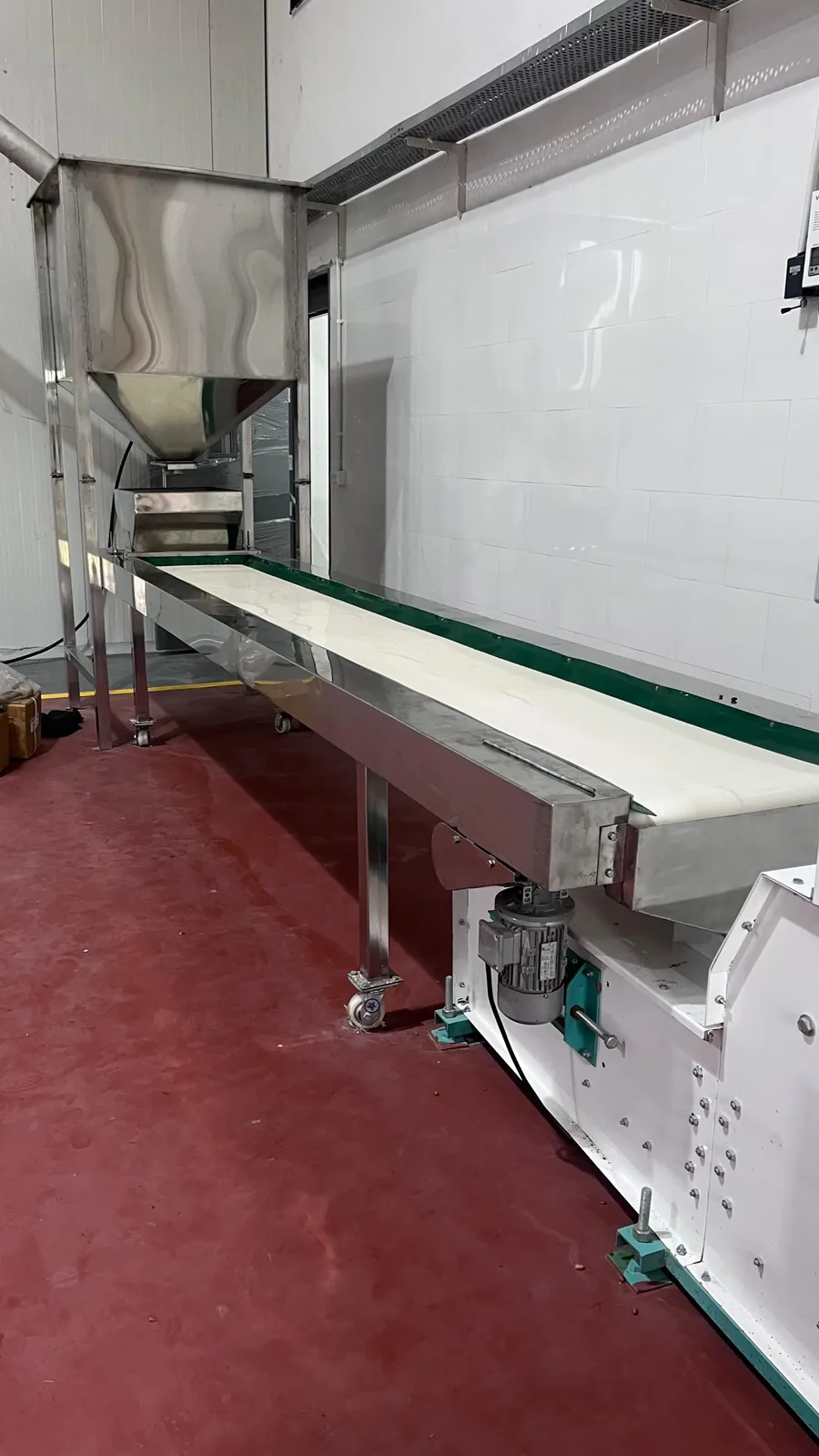
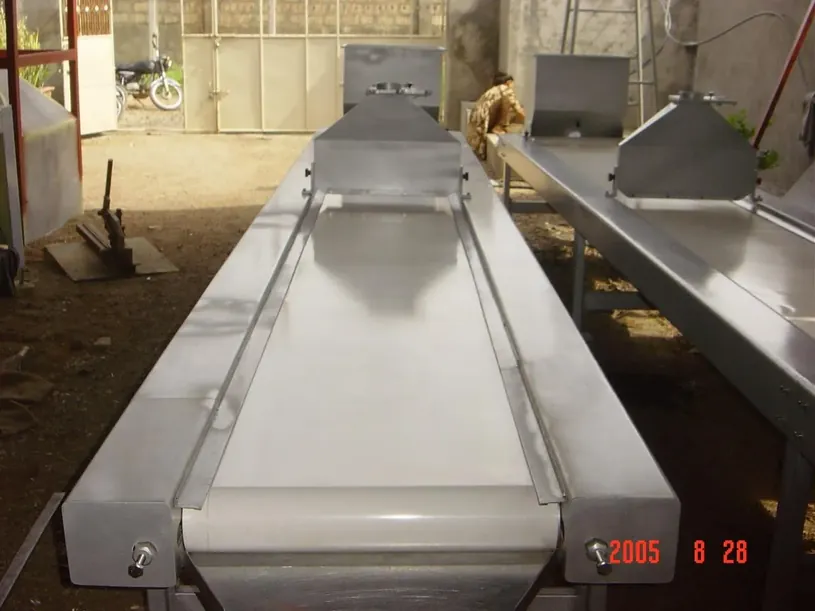
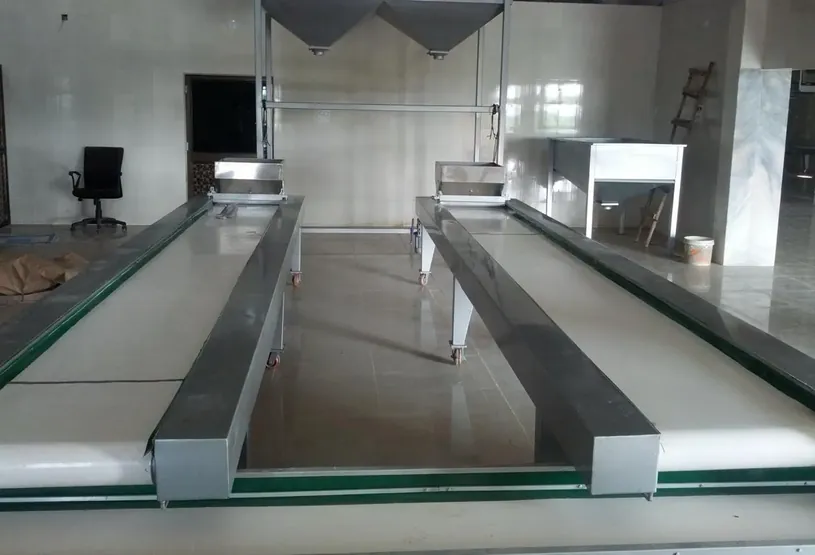
The Sorting Table is a 300 mm food-grade conveyor belt where operators pick out discoloured, defective or unwanted kernels by hand. An adjustable brush spreads the product evenly so every kernel can be seen. An integrated suction chute lifts away light impurities such as skins, husk and dust. Length and height are built to your floor layout and operator comfort, and the frame is MS painted or SS 304. The same table handles cashews, almonds, seeds, spices and dry fruits, which suits processors running more than one product.
Vibratory Sieve and Electro Magnetic Vibrator: Grading by Size
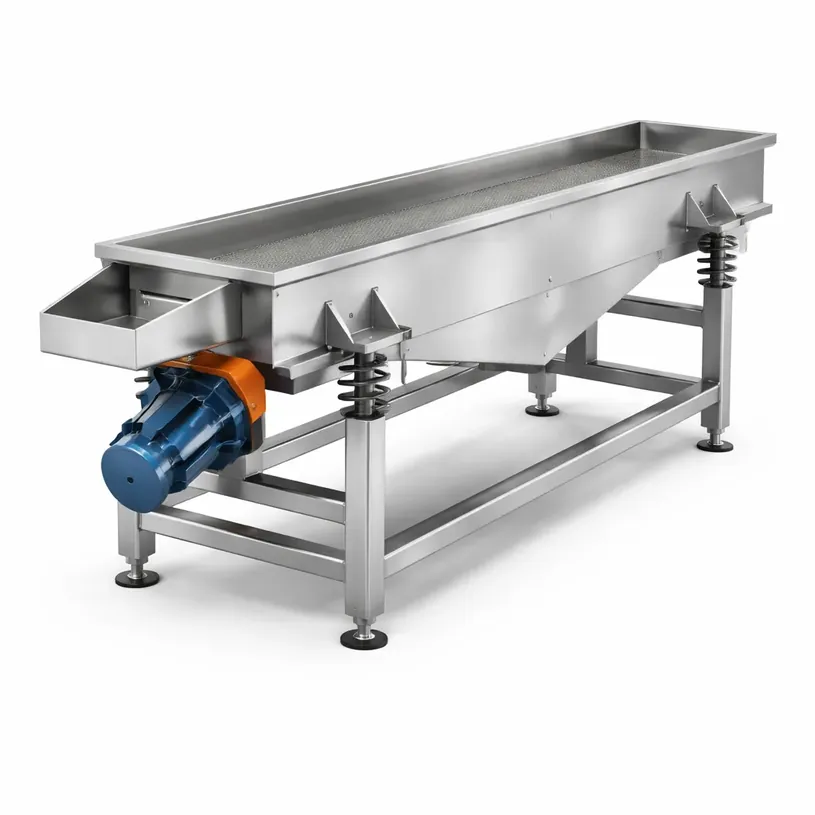
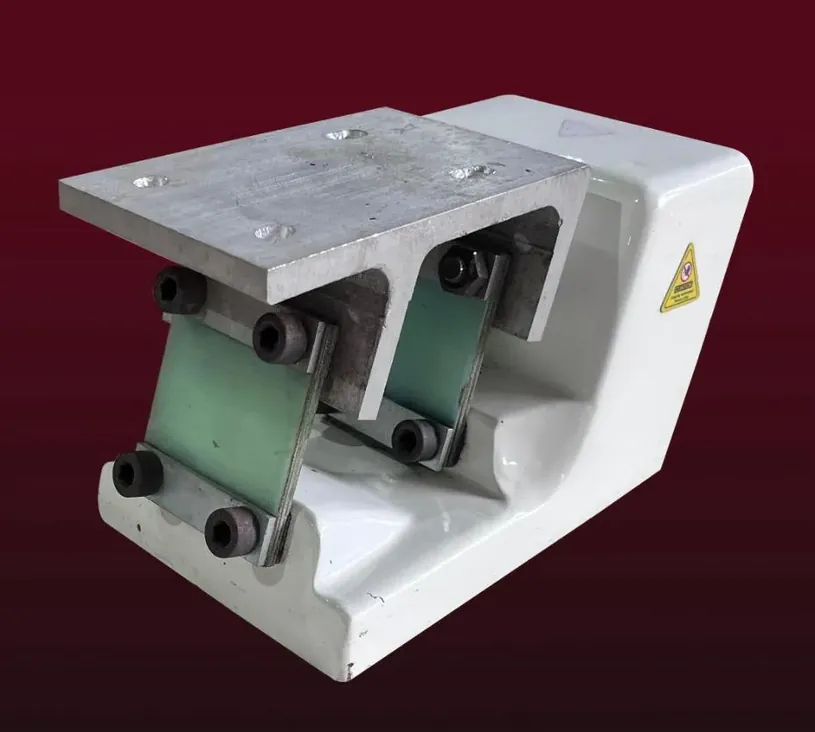
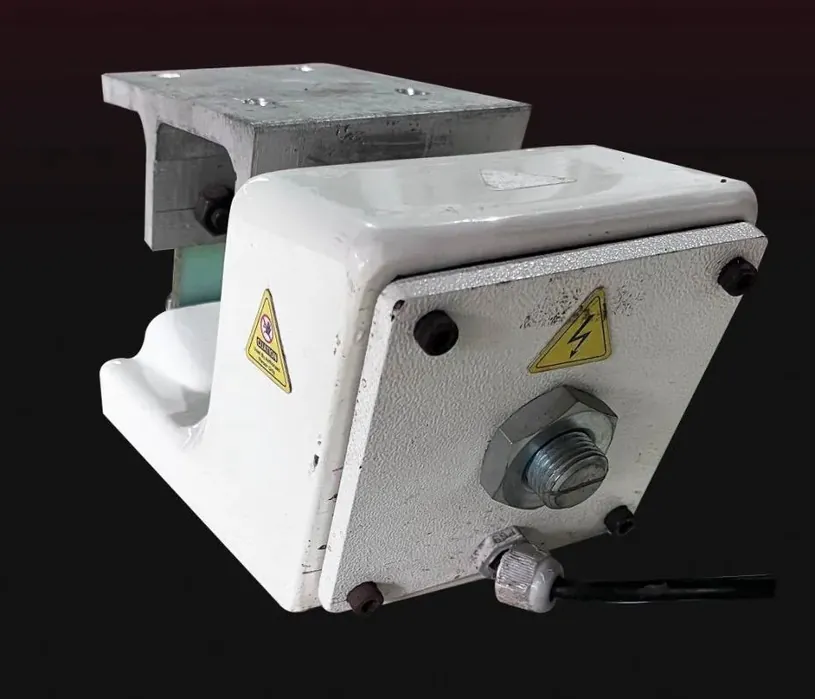
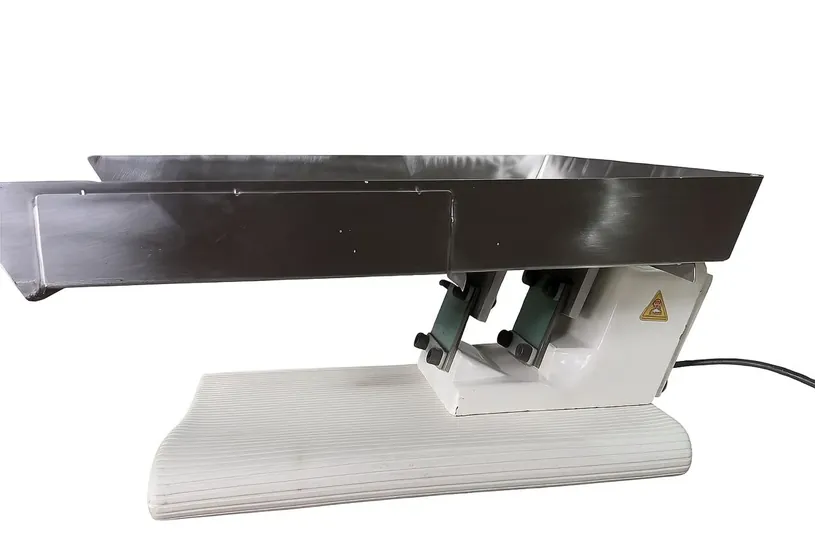
The Vibratory Sieve uses circular-motion vibration to move material across a mesh. Fines pass through, and oversize particles and impurities are carried to a separate outlet. Single, double and multi-deck versions are built, so one pass can produce several size grades. The Electro Magnetic Vibrator is offered with the same construction and deck options. Both are built in SS 304, SS 316 or high-grade alloy. Throughput depends on the material and the mesh you choose, so both units are sized for each enquiry rather than sold from a fixed list.
Ribbon Blender: Batch Mixing After Grinding
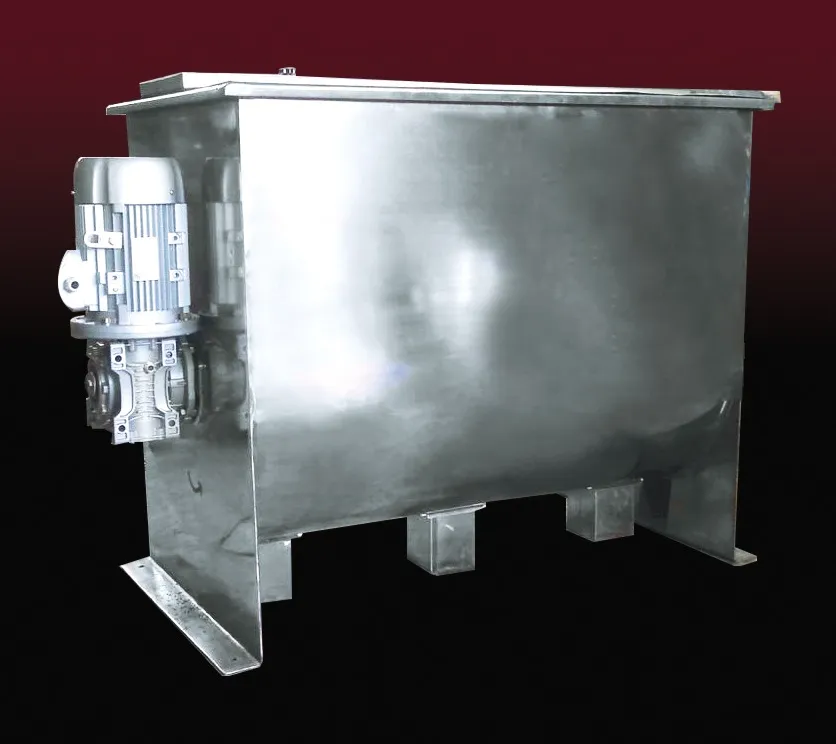
The Ribbon Blender has a horizontal U-trough with inner and outer ribbons that turn in opposite directions. The outer ribbon pushes material towards the centre and the inner ribbon pushes it back out, which typically reaches ±5% blend uniformity in 10–15 minutes. The low-shear action leaves peanut granules for crunchy butter intact. Four models cover working capacities from 100 L to 1000 L. An optional hot water or steam jacket keeps peanut butter warm while blending, and a full-length bottom valve empties the trough with little residue left behind.
How to Choose
Start with the job. If you need to remove defects you can see, choose the sorting table. To separate by particle size, choose a sieve, with one deck for each grade you need. To combine ingredients, choose the ribbon blender, and pick the model by batch volume. Next, decide on the contact material: SS 304 is available on all four machines, and SS 316 is offered on the sieve, the vibrator and the blender. Each unit can be ordered on its own to close a gap in an existing line, or as part of a complete line with the roasting, blanching, grinding and filling equipment on this site.
Screening and Mixing Machines Compared
| Machine | Stage in Line | What It Does | Models / Configuration | Construction | Capacity |
|---|---|---|---|---|---|
| Sorting Table | Cleaning and sorting | Manual hand-picking of defective or discoloured kernels; suction chute removes skins, husk and dust | 300 mm food-grade belt; length and height customised | MS painted / SS 304 (optional) | On request |
| Vibratory Sieve | Cleaning and grading | Separates oversize, undersize and impurities by mesh size | Single / double / multi-deck; customisable mesh | SS 304 / SS 316 / high-grade alloy | Depends on material and mesh size |
| Electro Magnetic Vibrator | Screening and grading | Vibratory screening with circular motion | Single / double / multi-deck; customisable mesh | SS 304 / SS 316 / high-grade alloy | Depends on material and mesh size |
| Ribbon Blender | Mixing, after grinding | Blends salt, sugar, stabilisers and additives into peanut butter; also dry ingredients and spice blends | RB100 / RB300 / RB500 / RB1000 (2 / 5 / 7.5 / 15 HP) | SS304 / SS316, mirror polished (Ra ≤ 0.8 µm) | 100 / 300 / 500 / 1000 L per batch; 10–15 min typical mixing time |
Frequently Asked Questions
Shrijee Nut Company offers sorting tables for manual inspection, vibratory sieves for size grading and foreign-material removal, and electromagnetic vibrators for controlled material feeding. All units are SS304 food-grade and sized from 100 kg per hour up to 1,500 kg per hour.
A ribbon blender homogeneously mixes the smooth peanut paste with salt, sugar, stabiliser and crunchy granules. It uses helical ribbons rotating at 30 to 50 RPM inside a horizontal trough, achieving uniform mixing in 8 to 12 minutes per batch.
Yes. Mesh inserts are interchangeable, with apertures from 0.5 mm up to 25 mm. Most peanut butter plants use 1 mm and 4 mm screens for grading peanut granules and removing dust or oversized fragments.
Yes. All contact surfaces are SS304 (or SS316 on request) and meet FSSAI Schedule 4 standards for food contact. Equipment is CIP-friendly with quick-release fasteners for daily cleaning and sanitisation.
Sorting tables come in capacities from 200 kg per hour for small operations to 1,500 kg per hour for large plants. Belt width and inspection length are customised based on the operator count and quality requirements.